
- AI Robotics
- AI Assist Mobility Robot - Injured & Elderly
- AI Plush Robot ChatGPT Interaction - Capybara
- AI Plush Robot ChatGPT Interaction - Rabbit
- AI Smart Glasses - SGA1
- Customer Service Interaction AI Robot
- DRO2 Humanoid Robot
- Hospitality Service Payment AI Robot
- Jueying Lite (Basic) - Quadruped Robot
- Jueying Lite (Venture) - Quadruped Robot
- Jueying M20 (Basic) - Quadruped Robot
- MTS-IFBOT20 Solar Panel Cleaning Robot
- MTSDWJ1 - AI Water Jet Drone
- Unitree - G1 Humanoid AI Robot
- Unitree - Go2 Air Robot Dog Quadruped
- Unitree Go2 Pro Robot Dog Quadruped
- All Products
- Balcony Solar System
- EV Chargers
- ICE-to-EV Conversion Kit
- Solar Gadgets
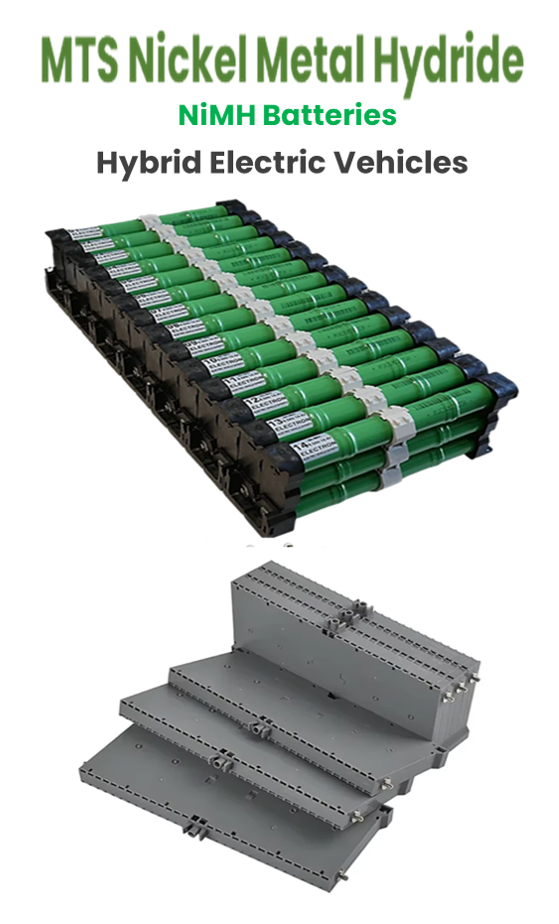
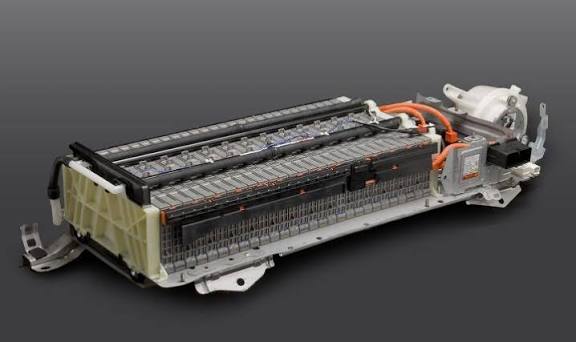
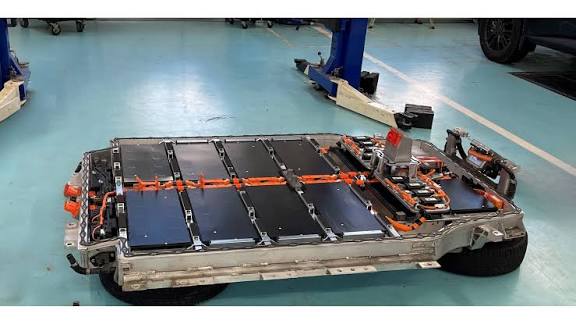
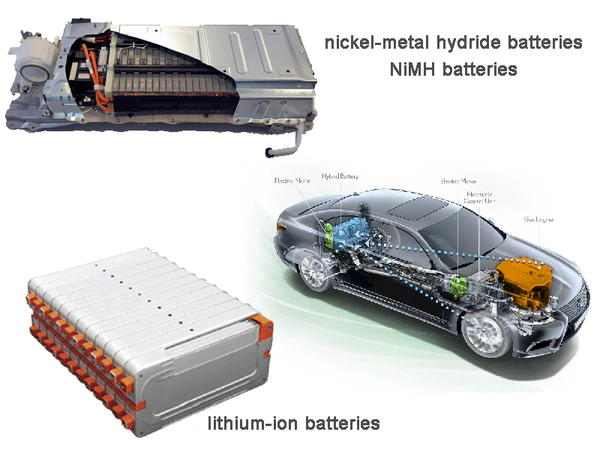
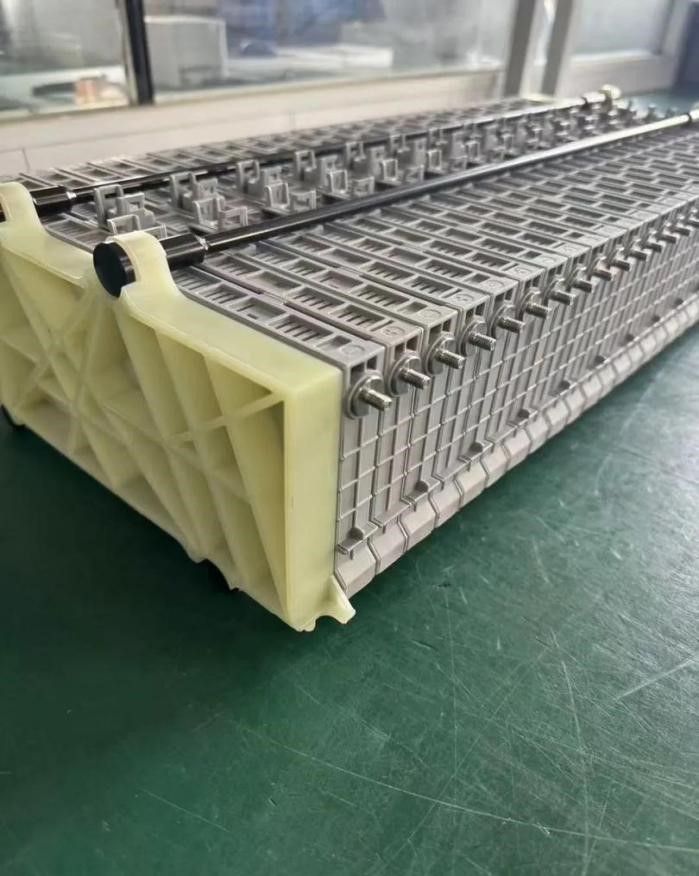
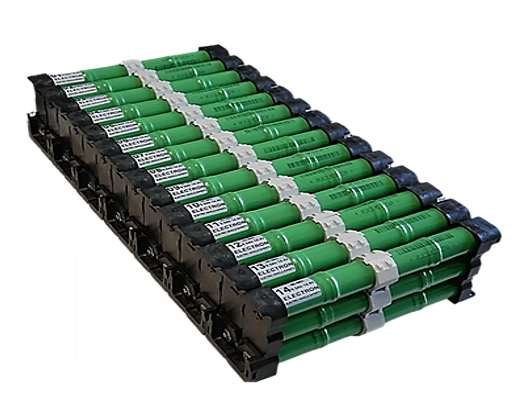
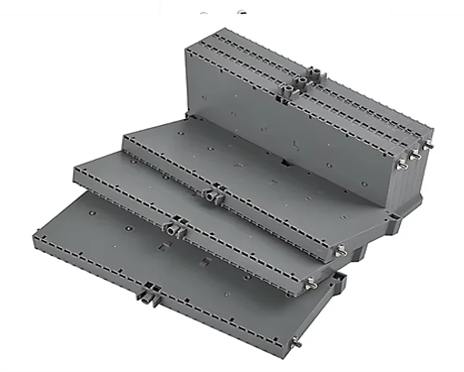
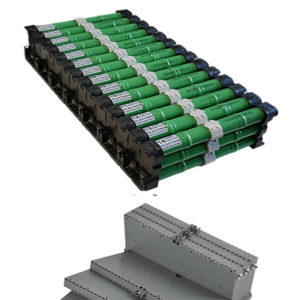
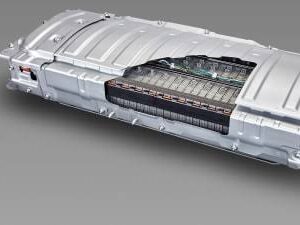
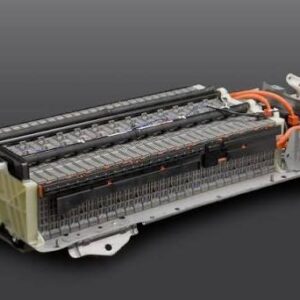
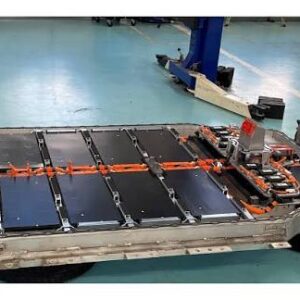
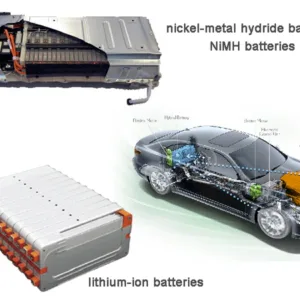
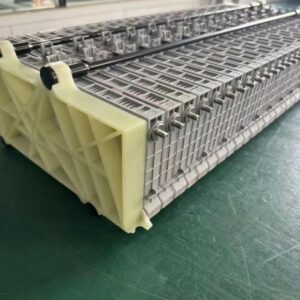
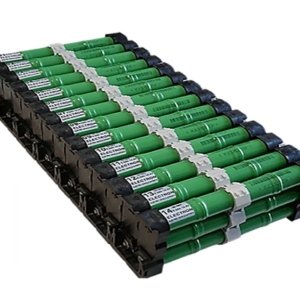
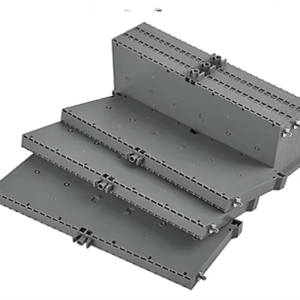
MTS – Nickel-Metal Hydride (NiMH) Batteries
$37.50
MTS Nickel-Metal Hydride (NiMH) Batteries provide dependable, rechargeable power for Hybrid Electric Vehicles (HEVs) and a wide range of electronic applications. Designed for reliability, they deliver a nominal 1.2V per cell, making them suitable as direct replacements for conventional alkaline batteries. With an energy density of 60–120 Wh/kg, NiMH batteries store significantly more energy than traditional Nickel-Cadmium alternatives while maintaining excellent thermal stability across temperatures from -30°C to 70°C. They are capable of 500 to 1,000 charge and discharge cycles, ensuring long-lasting performance. MTS NiMH batteries offer superior safety with a low risk of overheating or thermal runaway, contain no toxic cadmium for easier recycling, and provide excellent value through lower manufacturing costs. Their minimal memory effect also helps preserve battery capacity and consistent performance over time.
-
- Voltage & Capacity: Provide a nominal voltage of 1.2V per cell, making them direct, drop-in replacements for traditional alkaline batteries.
- Energy Density: Offer 60-120 Wh/kg, storing significantly more energy than older Nickel-Cadmium (NiCd) counterparts.
- Temperature Tolerance: Exhibit excellent thermal stability and perform reliably across a broad operational range (typically -30°C to 70°C).
- Cycle Life: Capable of withstanding 500 to 1,000 full charge/discharge cycles depending on usage and maintenance.
Primary Benefits
- Superior Safety: Safer than lithium-based chemistries with an inherently high tolerance for overcharging, abuse, and a much lower risk of thermal runaway or fire.
- Environmentally Friendly: Do not contain toxic heavy metals like cadmium, making them highly recyclable and easier to dispose of.
- Cost-Effective: Less expensive to manufacture and maintain, offering strong, long-term economic value for high-demand, large-scale systems like HEVs.
- Reduced Memory Effect: Exhibit only minimal memory effect, meaning they suffer little to no capacity loss even if recharged before being fully depleted.
Related Products
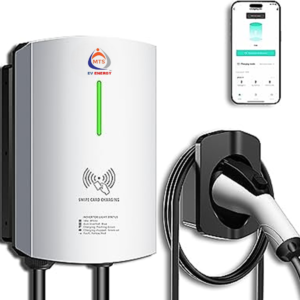
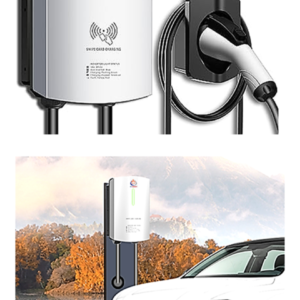
MTS – EV Charger 22 KW
$928.00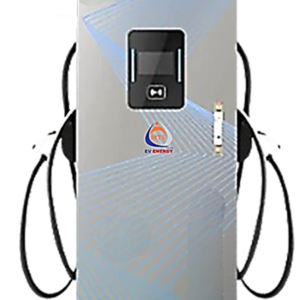
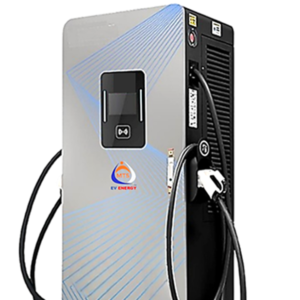
MTS – DC EV Charger (320 kW)
$30,260.00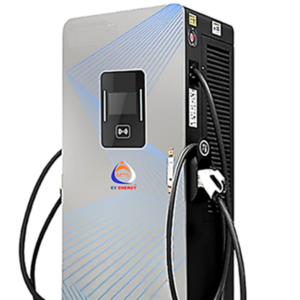
MTS – DC EV Charger (240 kW)
$27,850.00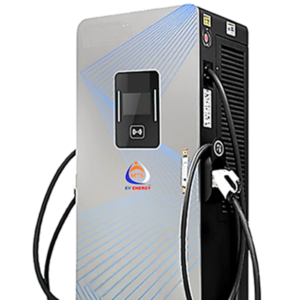
MTS – DC EV Charger (180 kW)
$22,460.00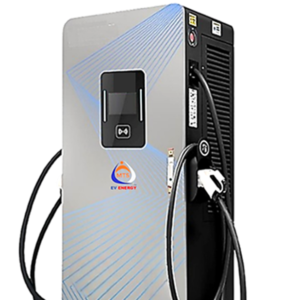
Reviews
There are no reviews yet.